Guide to Mattress Materials
Choosing the right mattress goes far beyond firmness preferences or brand names. The materials inside a mattress play a critical role in comfort, durability, support, and long-term sleep quality. Understanding how each component functions can help consumers and businesses make informed decisions that directly impact health and satisfaction.
According to the National Sleep Foundation (https://www.sleepfoundation.org/), sleep quality is directly influenced by factors such as proper spinal alignment, pressure relief, and consistent support throughout the night. Mattress construction and material composition play a significant role in achieving restorative sleep and maintaining overall well-being.
At United Bedding Industries, we believe education is key to better sleep. This guide to mattress materials explains what each component does, why it matters, and how material selection influences overall mattress performance.
Why Mattress Materials Matter
A mattress is a layered system, with each material serving a specific purpose. From pressure relief to spinal alignment and temperature regulation, the quality and interaction of materials determine how well a mattress performs over time.
High-quality mattress materials:
- Improve comfort and support
- Enhance durability and lifespan
- Promote proper spinal alignment
- Reduce motion transfer
- Support temperature regulation
Understanding these components helps buyers choose mattresses that meet both comfort and functional needs.
Comfort Layers: Where Pressure Relief Begins
Foam Layers
Foam is one of the most common mattress materials used in comfort layers. Different types of foam provide varying benefits:
- Memory foam contours to the body, relieving pressure points and reducing motion transfer.
- Polyurethane foam offers responsive comfort and is often used to balance softness and support.
These layers are essential for cushioning the body and reducing stress on joints and muscles during sleep.
At United Bedding Industries, foam density and quality are carefully selected to ensure consistent comfort without premature breakdown.
Support Core: The Foundation of the Mattress
Innerspring Systems
Innerspring systems provide the structural backbone of many mattresses. Steel coils offer strong support, promote airflow, and contribute to mattress longevity.
Common benefits include:
- Enhanced support for proper spinal alignment
- Improved airflow for temperature control
- Increased durability
The coil gauge, coil count, and design all influence how supportive and responsive the mattress feels.
High-Density Foam Cores
Some mattresses use high-density foam cores instead of coils. These cores deliver consistent support across the entire sleep surface and are often preferred for their quiet performance and motion isolation.
Support cores are essential for maintaining mattress shape and preventing sagging over time.
Transition Layers: Balancing Comfort and Support
Transition layers sit between the comfort layers and the support core. Their role is to prevent sleepers from sinking too deeply while maintaining pressure relief.
These layers:
- Enhance responsiveness
- Improve weight distribution
- Increase overall mattress stability
Well-designed transition layers ensure a smooth shift from soft comfort to firm support.
Quilting and Cover Materials
Fabric Covers
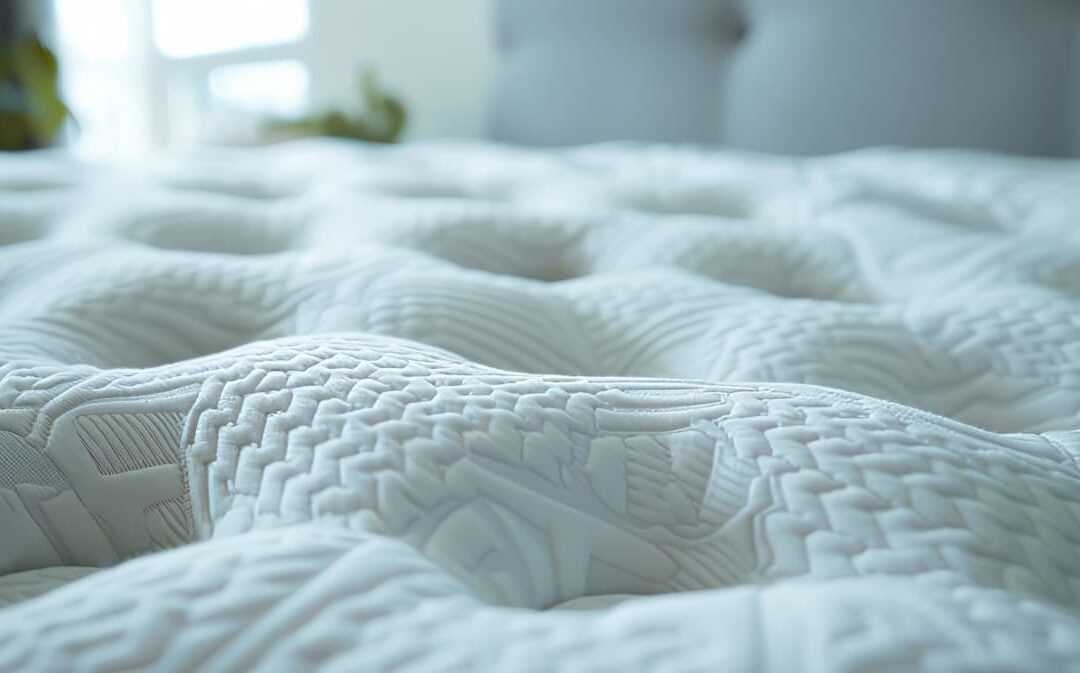
The outer cover of a mattress contributes to both comfort and breathability. Common materials include knitted fabrics, woven textiles, and performance fabrics designed to wick moisture and regulate temperature.
A quality cover:
-
Improves airflow
-
Enhances surface comfort
-
Protects internal layers
At United Bedding Industries, cover materials are selected to complement the internal components and enhance the sleep experience.
Quilting Layers
Quilting adds an extra layer of cushioning directly beneath the cover. It provides immediate comfort and can influence the initial feel of the mattress when lying down.
Edge Support Materials
Edge support is often overlooked but plays an important role in mattress usability and longevity. Reinforced foam or specialized coil systems around the perimeter prevent edge collapse and increase usable sleep surface.
Strong edge support:
- Makes it easier to get in and out of bed
- Improves durability
- Maximizes sleeping area
How Mattress Materials Affect Durability
Material quality directly impacts how long a mattress maintains its comfort and support. Low-density foams and inferior components can break down quickly, leading to sagging and discomfort.
High-quality materials:
- Resist compression
- Maintain shape over time
- Deliver consistent performance
At United Bedding Industries, material selection is guided by long-term performance standards to ensure reliable durability.
Why Material Transparency Matters
Understanding mattress components empowers buyers to make confident purchasing decisions. Transparency about materials builds trust and ensures customers know exactly what they are sleeping on.
Whether designing mattresses for residential, hospitality, or commercial use, material knowledge is essential to delivering quality and consistency.
Why Choose United Bedding Industries
With decades of experience, United Bedding Industries is committed to craftsmanship, innovation, and material excellence. Our manufacturing process focuses on combining proven materials with modern design to create mattresses that deliver comfort, support, and durability.
📞 Call 908-668-0220 to learn more about our mattress materials or discuss your bedding needs.
Final Thoughts
A mattress is more than a surface—it’s a system built from carefully selected materials that work together to support healthy sleep. This guide to mattress materials highlights why each component matters and how informed choices lead to better rest and long-term satisfaction.
At United Bedding Industries, we are proud to design mattresses with purpose, precision, and performance in mind.
🌐 Visit us online: https://unitedbedding.com/